Author: gortoner

Glossophobia and an inauguration: community education through technology in Mexico City

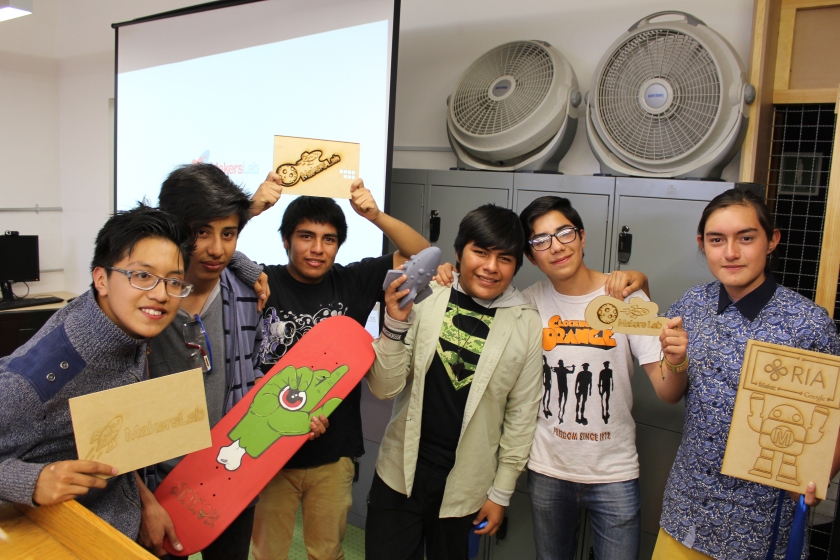
I’m not entirely sure, but I think I may have been on Mexican national television last week. On my second day as a Field Evaluator, little did I think I would be giving a speech on behalf of Global Giving UK at a much anticipated launch event. But there we were, jet lagged and barely recovered from our ludicrous journey, standing alongside a representative from Nokia at the official opening of the Makers Lab, cameras winking expectantly at us from around the room. The lab is a new space in a low income community just outside of Mexico City, designed for young people to innovate and create with the latest cutting-edge inventions. When we arrive, we’re given a key-ring made with a laser cutter, a small plastic rocket fresh from the 3D printer and shown a musical instrument made from floppy discs, which dutifully plays us the Star Wars theme tune. The machines are exhibited with relish by a grinning band of teenagers, each technical aspect explained in rapid Spanish. Their enthusiasm is infectious, and …

Our road to Mexico: the real cost of budget travel

During university I mastered the art of finding bargain travel tickets. At first it was the necessity of maintaining an ambitiously long distance relationship in the poverty of my student years, but gradually it became more of an obsession. Even now my stubbornness to find the cheapest possible way to travel without hitch hiking rears its head whenever I’m planning a journey, however small. Such was the case as my latest trip crept ever closer. I began to shun the outdoors, spending my precious lunchtimes on Skyscanner and its various counterparts, watching the prices intently. When we finally got the go ahead to book flights among the logistics of finalising volunteering plans, direct tickets to Mexico City were near £800. But with a short stop in Madrid and an overnight stay in Cancun, we managed to cut this down to £400. It was in about the seventh hour of our second flight, with no on board entertainment and conversation, patience and all possible distractions exhausted that I began to question this decision. I took another …

The cake sale: a beginner’s guide to fundraising

As part of our work as field evaluators with Global Giving UK, we were tasked to fundraise £650 to cover the cost of our training. But as with most things on the Field Evaluation Programme, this was not seen as a mere contribution, but a challenge and learning experience in itself – helping us to better understand the process charity fundraisers go through every day. Seeing as my last fundraising effort consisted of a few low-impact begging posts on Facebook and little to show for my crippling 30 mile walk which seemed to involve all the mountains in the Lake District, I was more than a little daunted by the task. Although admittedly, my effort there was minimal, even reluctant. During our training, we were introduced to the idea of network mapping, that is, writing out every possible existing personal connection you have and the potential fundraising opportunities each could present. When I first did this, I was surprised at how many possible avenues there were for raising money – my dad’s climbing wall, my friend’s …

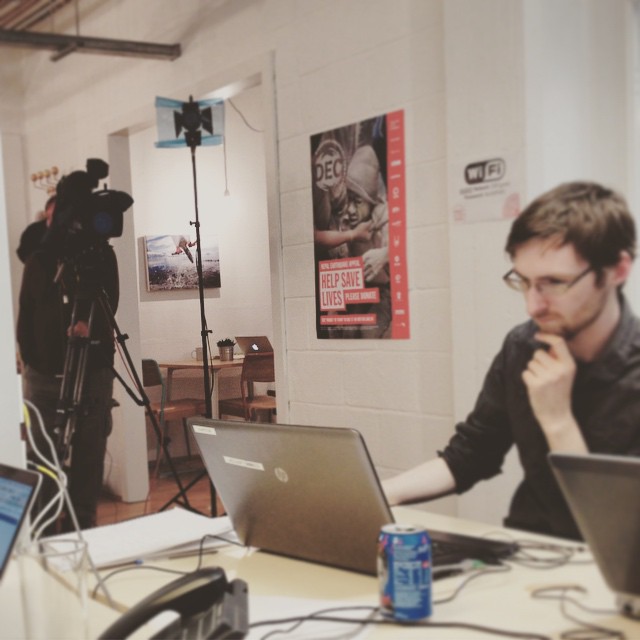
Collaboration in the face of disaster: my week at the DEC

Another accusation repeatedly hurled at the charity sector is there’s too much of it. It’s true that there are over 163,000 registered charities in the UK alone. But personally, whilst of course this needs to be regulated, I think in general, the more the merrier. Charities are usually set up in reaction to a need, and the majority in Britain focus on very specific causes or localised issues. 80% have less than ten staff members. What I do object to is any overly competitive behaviour among charities. Those with similar missions should do their best to work together, complimenting each other’s efforts rather than working like rival businesses. Creating impact and aiding beneficiaries should always be the primary focus before any navel-gazing organisational interests. Competitive behaviour only goes towards reinforcing negative impressions among the public of the industry as over-professionalised and target hungry. I was stopped by a chugger recently – an attractive one, obviously – they always manage to divert me – and I made to walk away, telling him I already support the charity he …

Avoiding voluntourism – how to choose a volunteering project overseas

There’s been a fair amount of negative rhetoric in the media recently about volunteering abroad, or as people have come to label it: voluntourism. The Gap Yah videos highlighted a caricature everyone can recognise in at least one of their acquaintances – that self-righteous and ultimately vacuous individual who reports tirelessly on their quest for self-enlightenment in various third world countries. So when I was thinking about quitting my job, travelling abroad and giving up some of my time to a charity, I had these concerns at the front of my mind, keen to avoid becoming part of this troubling group. I was reminded of the stories you sometimes hear about volunteers in the UK: big businesses sending skilled employees out to help a cause, but the charity lacking the resources to prepare for it. And, whilst they don’t need the offered time, they could very much use the cash donation that comes with the deal. So the loaned workers are deployed in the more menial daily tasks of running the organisation: gardening, cleaning, the making of …

Guess my profession: working in a much maligned sector

I wonder if you can guess what I do as a job. I’ll give you a clue… When I tell people where I work they’re often sceptical, sometimes incensed. Further probing can lead to public shouting matches and the smashing of glass objects. Many promising new relationships have been ruined in this way. The conversation will be flowing effortlessly, with laughter in all the right places, until we get to that place in the script: “What do you do for a living?” I’ll break eye contact here, clear my throat and offer up my answer apologetically. The more violent reactions seem to come from my dad’s friends. He’s introduced me to a few people, only to come back a few minutes later to find a somewhat sulky silence and shattered glass at our feet. Banker may have been your first guess. Estate agent, politician, lawyer, police officer – no wait, that’s me just reading out the list of the world’s most hated professions. I actually work for a charity. And since the beginning of my …